Lazarus Naturals Brand Spotlight: Employee-Owned CBD With a Mission
Lazarus Naturals Brand Spotlight: Employee-Owned CBD With a Mission Lazarus Naturals does something unusual in the CBD industry: it sells...
Read more

This post may contain affiliate links. We may earn a commission if you purchase through our links at no extra cost to you.
“Organic” is a buzzword in CBD marketing. Brands claim their products are “organic-sourced,” “made from organic hemp,” or “grown organically” without the formal certification to back it up. USDA Organic Certification is rigorous and expensive—most CBD brands don’t pursue it. But for consumers who care about pesticide-free, synthetic-free hemp, certified organic matters. This guide covers what USDA Organic means for CBD, which brands actually have certification, and whether the premium price is justified.
USDA Organic Certification requires: No synthetic pesticides or herbicides, no synthetic fertilizers, no genetically modified organisms (GMOs), no antibiotics or growth hormones (for animal products), regular third-party audits of the entire supply chain, and detailed record-keeping. For hemp specifically, organic certification means the soil is free of prohibited substances for at least 3 years before harvest, crop rotation is documented, and processing uses approved methods.
What it doesn’t guarantee: Organic certification doesn’t mean “superior potency” or “more effective CBD.” It means the hemp was grown without synthetic chemicals. Potency depends on genetics and extraction, not organic status. Organic certification also doesn’t eliminate all pesticides—natural pesticides (copper sulfate, sulfur) are allowed under organic rules, and residue testing is still necessary.
USDA Organic Certification costs $500-$2000+ per operation, requires extensive documentation, involves annual audits, and adds significant overhead. Most CBD brands—even quality ones—skip it because consumers don’t know the difference and won’t pay double for certification. Charlotte’s Web, Lazarus Naturals, R+R Medicinals, and Bluebird Botanicals all grow pesticide-free hemp without formal organic certification. They save certification costs and pass those savings to consumers. Is it cheaper to “just grow clean without certification” than to pursue certification? Yes. That’s why most do it this way.
For consumers, this means: “Organic certified” brands cost more, but most other quality brands are equally clean (they just lack the official stamp). Third-party testing for pesticides is more important than organic certification in determining actual safety.
Sprout (formerly Wixson Farms): Colorado-based, USDA certified organic hemp farm. Their CBD products are labeled organic. Price: Around $60-70 for 600 mg. Potency: Full-spectrum, CO2-extracted. Testing: Third-party tested for potency and contaminants. They’re one of the few brands with actual USDA organic certification for their CBD operations.
Elixir Labs (limited availability): Some product lines are USDA certified organic. Price varies ($40-80 depending on product). Broad-spectrum and full-spectrum options available. Certification is newer, so availability varies.
Standard Farms (limited to certain states): Ohio-based, some products are USDA organic certified. Price: $50-70 for 600 mg bottles. Full-spectrum, third-party tested. Limited to specific retail chains.
Jade Wellness (limited distribution): Colorado-based, pursuing organic certification. Some products labeled organic in 2025-2026. Prices at premium level ($60-75 for 600 mg).
The reality: Genuinely USDA certified organic CBD is rare. Most brands that claim “organic” are not certified. When looking for organic, ask the brand directly: “Is your USDA Organic Certificate available for verification?” If they can’t provide it, they’re not officially certified.
ISO 17025 accredited third-party testing: This means the testing lab is independently verified as meeting rigorous standards. More reliable than testing by labs without accreditation.
GMP (Good Manufacturing Practices): Some brands claim GMP certification for their facilities. This means manufacturing meets FDA standards for cleanliness, quality control, and record-keeping. Not required for CBD supplements but a sign of quality commitment.
Hemp Farmers Association certifications: Some hemp farming groups have organic-like certifications without USDA involvement. These are less rigorous than USDA but still indicate commitment to clean practices.
Third-party pesticide testing (even without organic cert): Many non-certified brands publish detailed pesticide screening results. This is actually more useful than organic label—you see the data, not just the claim.
Non-certified clean hemp CBD (Lazarus Naturals): 600 mg, $25-30 = $0.04-0.05 per mg
USDA Organic Certified CBD (Sprout): 600 mg, $60-70 = $0.10-0.12 per mg
You’re paying roughly 2-2.5x more for the organic certification label. The underlying hemp might be equally clean in both cases (both tested for pesticides), but the certified organic product carries the official seal and supply chain documentation.
If you care about certification as assurance: Yes. USDA Organic means the government audited the entire supply chain. Strict auditing reduces risk of undisclosed pesticide use.
If you just want clean, pesticide-free CBD: Not necessarily. Get a non-certified brand with published COAs showing pesticide testing. Lazarus Naturals tests for pesticides and publishes results. You get the same assurance without the premium.
If you want to support certified organic farmers: Yes. Organic farming is harder and more labor-intensive. If supporting that matters to you, the premium is justified.
If you’re cost-conscious: Skip organic certification and buy quality non-certified brands with published pesticide testing.
Sprout (USDA Certified Organic): $60-70 for 600 mg, organic certified, CO2 extracted, full-spectrum, third-party tested. Upside: Certified guarantee. Downside: Expensive, limited availability.
Lazarus Naturals (non-certified but tested clean): $25-30 for 600 mg, third-party tested for pesticides (results published), CO2 extracted, full-spectrum, clean results. Upside: Cheap, excellent testing transparency. Downside: No organic cert label.
Bluebird Botanicals (non-certified but tested clean): $40-45 for 600 mg, third-party tested, whole-plant extraction, full-spectrum, published COAs. Upside: High quality, transparent testing. Downside: No organic cert.
For most people, Lazarus or Bluebird is a better value than certified organic. For people for whom certification is important (beyond testing), Sprout or similar certified brands make sense.
Ask for the USDA Organic Certificate: Request the actual certificate from the brand. It should list the farm and operation name, issue date, and expiration date. USDA maintains a public database of organic operations; you can search it.
Check the USDA National Organic Program database: Go to organic.ams.usda.gov and search for the brand or farm. If they’re certified, they’ll appear in the database.
Look for the USDA Organic seal on packaging: If the product is certified, the label should have the USDA Organic mark (circular seal) and certification agent name.
Be skeptical of “organic-sourced” claims without certification: “Sourced from organic hemp” doesn’t mean certified organic. It means the brand claims the hemp was grown organically. This is marketing language without verification.
Hemp grown in the U.S. in recent years is generally clean. The CBD industry’s reputation depends on quality, and companies know contamination means death for their brand. Even non-certified brands test for pesticides because it’s the baseline expectation. Certified organic is a guarantee layer on top of testing, not a replacement for testing. Get both: third-party testing (which all good brands do) plus organic cert (if it matters to you).
USDA Certified Organic CBD exists but is rare and expensive. Brands like Sprout offer genuinely certified options, but you pay a 2-3x premium. For most people, non-certified brands with published third-party testing (Lazarus, Bluebird, R+R) offer the same safety and cleanliness at half the price. Organic certification adds a layer of government verification and supply chain auditing, which some people value. Others prefer to pay less and trust published testing. Both approaches are reasonable. Choose based on whether the certification label itself is important to you, not because it’s necessary for quality or safety.
These statements have not been evaluated by the Food and Drug Administration. This product is not intended to diagnose, treat, cure, or prevent any disease.
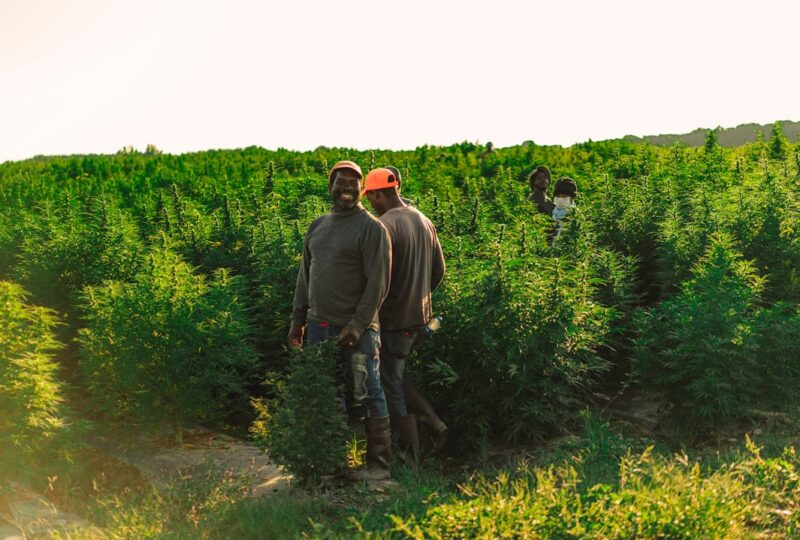
Lazarus Naturals Brand Spotlight: Employee-Owned CBD With a Mission Lazarus Naturals does something unusual in the CBD industry: it sells...
Read more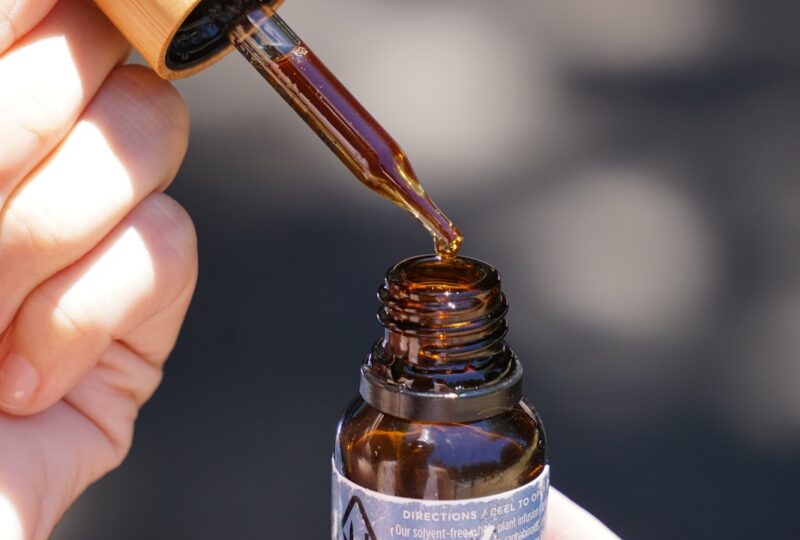
NuLeaf Naturals CBD Oil Review: Is the Premium Price Justified? NuLeaf Naturals has built a reputation as one of the...
Read more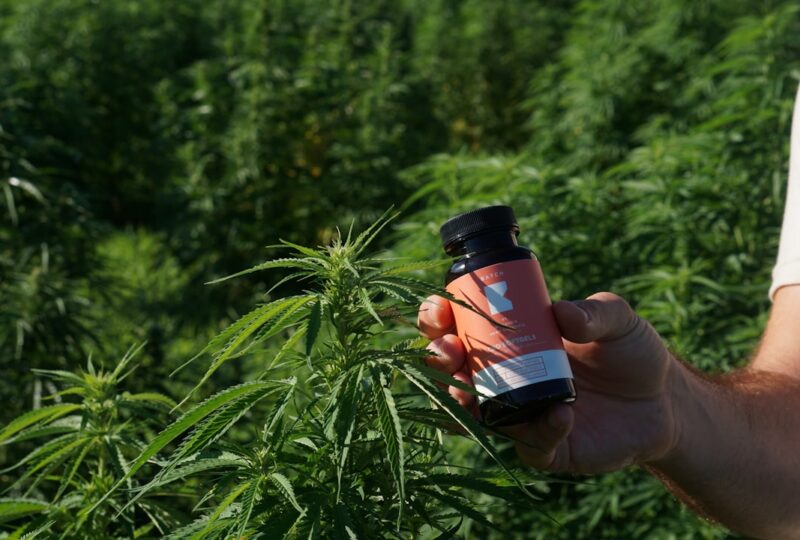
Charlotte's Web Brand Spotlight 2026: The Pioneer That Went Organic Charlotte's Web helped launch the modern CBD industry. More than...
Read more
Interested in finding out more about what’s happening in the world of CBD and Medicinal Cannabis?
Head to CBD World News for the latest scientific research, clinical trials, and business news.
Abstract: Currently, there are no approved pharmacotherapies for addiction to cocaine and other psychostimulant drugs. Several studies have proposed that...
Read moreCredits: Albert Batalla†, Hella Janssen†, Shiral S. Gangadin and Matthijs G. Bossong († These authors contributed equally to this work.)...
Read moreAuthors: Kimberly A. Babson1 & James Sottile 2 & Danielle Morabito1 Publish Date: 27 March 2017 Published by: Springer Science+Business...
Read more